22 Simple Protein Lunches for Kids’ Lunchboxes
Packing a lunch that kids will actually eat can be challenging, especially when you want it to provide enough protein. The good news is that a nutritious lunchbox does not have to be complicated. With a few familiar ingredients and some simple preparation, you can create protein-rich lunches that are easy to pack, easy to eat, and appealing to kids.
Protein is an important part of a balanced meal because it helps provide essential amino acids needed for growth and development. Pairing a protein source with fruits, vegetables, whole grains, or dairy can make a lunch more satisfying and well-rounded.
Whether your child prefers sandwiches, wraps, snack boxes, pasta, or bite-sized foods, these 22 simple protein lunches for kids’ lunchboxes offer plenty of practical ideas for busy school mornings.
What Makes a Good High-Protein Kids’ Lunch?
A good lunchbox does not need to contain a huge amount of protein. Instead, focus on including a convenient protein source alongside other nutritious foods your child enjoys.
Some easy protein options include:
- Eggs
- Chicken
- Turkey
- Tuna
- Greek yogurt
- Cottage cheese
- Cheese
- Beans
- Chickpeas
- Lentils
- Hummus
- Nut or seed butters
- Tofu
- Edamame
For a balanced lunch, combine one of these with foods such as whole-grain bread, crackers, fruit, vegetables, or other favorite sides.
Most importantly, consider your child’s preferences. A lunch containing foods they refuse to eat is not useful simply because it looks nutritious on paper.
22 Simple Protein Lunches for Kids
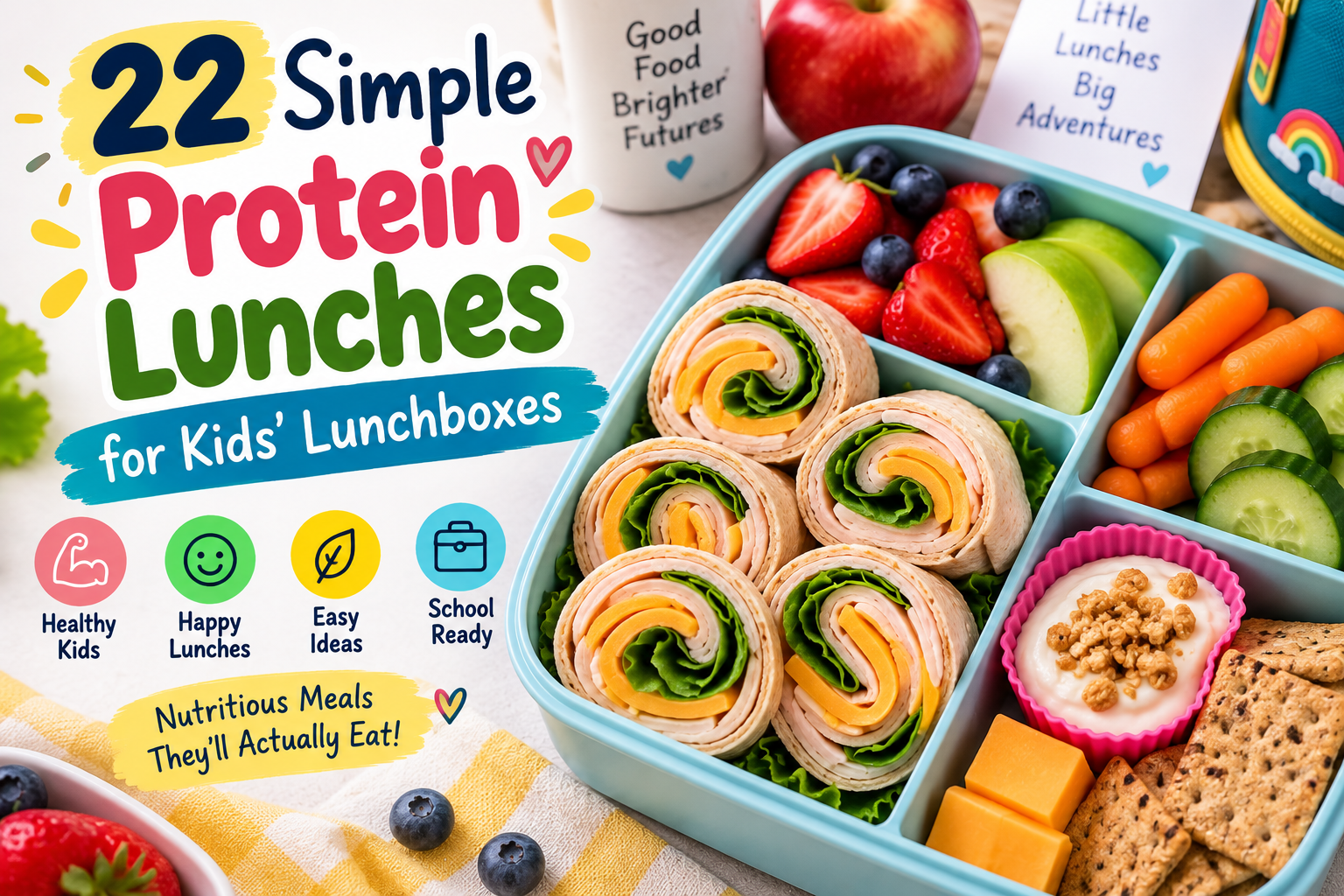
1. Turkey and Cheese Roll-Ups

Turkey and cheese roll-ups are one of the easiest lunchbox options for busy mornings. Place slices of turkey and cheese together, roll them tightly, and cut them into smaller pieces.
Serve them with cucumber slices, grapes, berries, or whole-grain crackers.
Why kids like them: They are bite-sized, easy to hold, and do not require utensils.
Lunchbox idea: Add a small container of hummus or yogurt for dipping.
2. Peanut Butter and Banana Sandwich

A classic peanut butter and banana sandwich can provide protein, carbohydrates, and energy in one simple meal.
Spread peanut butter on whole-grain bread and add thin banana slices. Cut the sandwich into squares, triangles, or fun shapes.
If your child’s school has a nut-free policy, substitute sunflower seed butter or another school-approved alternative.
Easy pairing: Add strawberries and a small serving of Greek yogurt.
3. Chicken and Cheese Quesadilla
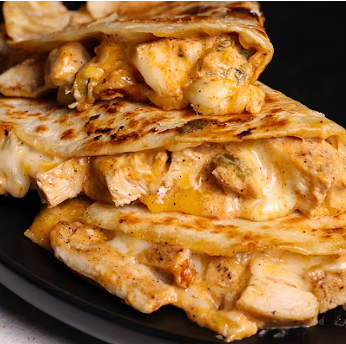
Quesadillas are a simple way to combine protein with a food many children already enjoy.
Fill a whole-grain tortilla with shredded cooked chicken and cheese. Fold it in half and cook until the cheese melts and the tortilla becomes lightly crisp.
Allow it to cool before placing it in the lunchbox.
Cutting the quesadilla into triangles can make it easier for younger children to eat.
4. Greek Yogurt and Fruit Parfait
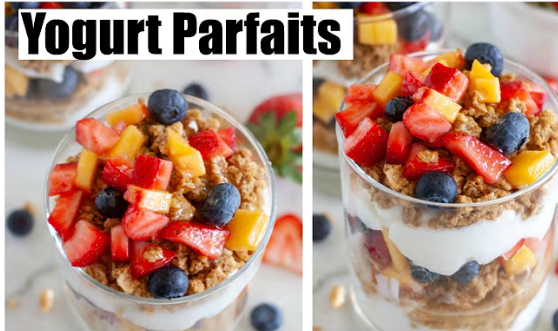
Greek yogurt can be a convenient protein-rich lunch component. Layer plain or lightly sweetened Greek yogurt with berries and a small amount of granola.
Keep granola separate if you want to prevent it from becoming soft.
You can also add sliced banana, peaches, apples, or strawberries depending on what your child enjoys.
Tip: Choose yogurt with less added sugar when possible.
5. Egg and Cheese Sandwich

Hard-boiled eggs are an easy protein option, but some children prefer them when incorporated into a familiar meal.
Slice a hard-boiled egg and place it on whole-grain bread with cheese. Add lettuce or cucumber if your child enjoys vegetables.
For a simpler lunch, pack the egg separately with crackers, cheese cubes, and fruit.
6. Chicken Salad Sandwich
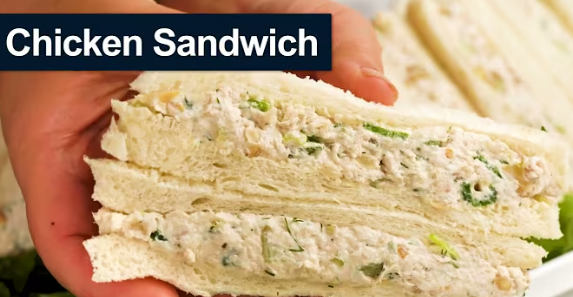
Chicken salad can turn leftover cooked chicken into an easy lunchbox meal.
Mix chopped cooked chicken with a small amount of mayonnaise or plain Greek yogurt. Add finely chopped celery if your child likes a little crunch.
Serve the mixture on whole-grain bread or in a small wrap.
For younger children, keep the filling simple and avoid large pieces that may be difficult to eat.
7. Hummus and Veggie Wrap
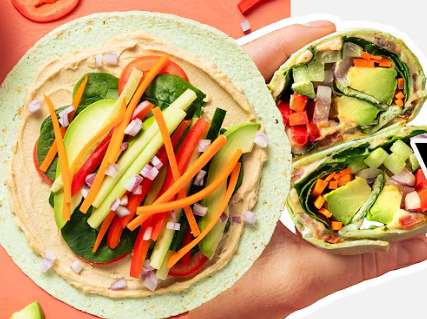
Hummus provides plant-based protein and pairs naturally with crunchy vegetables.
Spread hummus over a whole-grain tortilla and add cucumber, shredded carrot, bell pepper, or lettuce. Roll tightly and slice into pinwheels.
You can add cheese or shredded chicken for additional protein.
This is especially useful when you want a meat-free lunchbox option.
8. Tuna and Crackers Lunchbox
Tuna can be served in a simple lunchbox rather than as a traditional sandwich.
Prepare a mild tuna mixture and pack it with whole-grain crackers. Add cucumber slices, cherry tomatoes, fruit, and cheese cubes on the side.
If your child dislikes tuna, try mixing it with a small amount of Greek yogurt and serving it as a dip.
When serving fish to children, follow current dietary guidance regarding appropriate fish choices and portions.
9. Mini Chicken Sandwiches
Small sandwiches can be more appealing to children than a large traditional sandwich.
Use whole-grain bread and fill it with cooked chicken, cheese, and a small amount of mayonnaise or another preferred spread.
Cut the sandwiches into small squares or use a cookie cutter to create simple shapes.
Pair them with apple slices, berries, and a few whole-grain crackers.
10. Egg Muffins
Egg muffins are convenient because they can be prepared ahead of time.
Whisk eggs and combine them with small pieces of cheese and vegetables such as spinach, bell pepper, or broccoli. Bake the mixture in a muffin tin until the eggs are fully cooked.
Once cooled, pack two or three mini egg muffins with fruit and whole-grain crackers.
They can be served chilled or according to your child’s lunchbox setup and food-safety requirements.
11. Turkey and Avocado Wrap
Spread mashed avocado over a whole-grain tortilla and add sliced turkey. Roll tightly and cut into smaller pieces.
Avocado adds healthy fats while turkey provides protein.
For extra crunch, add cucumber or shredded carrots.
This lunch works well for children who enjoy simple flavors and soft textures.
12. Chicken Pasta Salad
Cold pasta can make an excellent lunchbox base.
Combine cooked whole-grain pasta with small pieces of cooked chicken, cheese cubes, and chopped vegetables. Add a light dressing that your child enjoys.
Keep the ingredients relatively simple if your child is selective about food.
You can prepare several portions at once and refrigerate them appropriately for convenient weekday lunches.
13. Cottage Cheese and Fruit Box
Cottage cheese can be paired with fruit for a simple protein-focused lunch.
Pack cottage cheese in a leak-proof container and add pineapple, berries, peaches, melon, or another favorite fruit.
Serve with whole-grain crackers or toast on the side.
If your child dislikes the texture of cottage cheese, try blending it until smooth and using it as a dip or spread.
14. Bean and Cheese Burrito
A simple bean and cheese burrito can provide plant-based protein and fiber.
Spread mashed beans over a whole-grain tortilla, add shredded cheese, and roll tightly.
You can include mild salsa separately if your child likes it.
Cut the burrito into small sections to make it easier to eat during a short school lunch period.
15. Turkey and Hummus Pinwheels
Spread hummus over a tortilla, add turkey slices, and roll everything tightly. Slice the roll into small pinwheels.
These are visually appealing and easy to hold.
Add carrot sticks, cucumber slices, berries, or an orange on the side.
For a vegetarian version, replace the turkey with cheese or mashed chickpeas.
16. Peanut Butter Yogurt Dip with Fruit
A yogurt-based dip can make fruit more interesting for children.
Mix Greek yogurt with a small amount of peanut butter or sunflower seed butter. Pack the dip separately with apple slices, strawberries, banana pieces, or other fruit.
Always consider school allergy policies before packing nut-based foods.
For nut-free schools, seed butter is often a practical alternative when permitted.
17. Chicken and Hummus Snack Box
Snack boxes are particularly useful for children who prefer eating several small foods instead of one large meal.
Create a lunchbox containing:
- Cooked chicken pieces
- Hummus
- Whole-grain crackers
- Cucumber
- Carrot sticks
- Berries or grapes
- Cheese cubes
This gives your child several choices while keeping the meal balanced.
18. Mini Egg Salad Sandwiches
Egg salad can be transformed into small sandwiches that are easy for children to eat.
Mash hard-boiled eggs with a small amount of mayonnaise or Greek yogurt. Spread the mixture between two slices of whole-grain bread.
Cut into small triangles or squares.
If your child likes vegetables, add finely chopped celery or cucumber.
19. Edamame and Cheese Snack Box
Shelled edamame provides plant-based protein and can be served cold in a lunchbox.
Combine edamame with cheese cubes, whole-grain crackers, fruit, and cucumber.
This works particularly well for children who enjoy snack-style lunches.
For younger children, make sure foods are prepared and cut appropriately for their developmental stage.
20. Chicken and Rice Bowl
A simple chicken and rice bowl can be served cold or warm depending on your lunchbox setup.
Combine cooked rice with small pieces of chicken and vegetables such as peas, carrots, or corn.
Use a mild sauce or seasoning that your child already enjoys.
Preparing the chicken and rice in advance can save time on busy mornings.
21. Lentil and Cheese Wrap
Lentils are another useful plant-based protein option.
Mash cooked lentils lightly and spread them over a whole-grain tortilla. Add shredded cheese and mild vegetables if desired.
Roll the tortilla tightly and slice it into pinwheels.
This is an inexpensive lunch option that can also help introduce children to different plant-based foods.
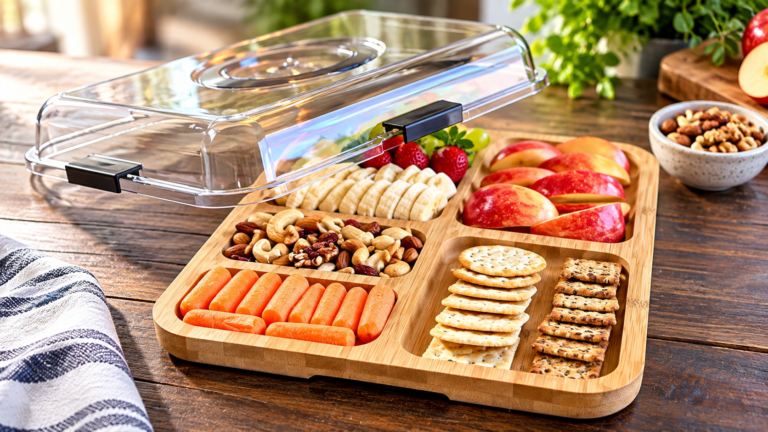
22. DIY Protein Lunchbox
When children like variety, let them build their own lunch.
Create separate sections containing:
- Turkey or chicken
- Cheese
- Hard-boiled egg
- Whole-grain crackers
- Hummus
- Fruit
- Cucumber
- Carrots
This approach gives children some control over what they eat while allowing parents to provide a variety of nutritious options.
How to Make Kids More Interested in Protein-Rich Lunches
Introducing nutritious foods does not always mean children will immediately accept them. Presentation and familiarity can make a difference.
Keep portions manageable
Children may feel overwhelmed by a lunchbox filled with large portions. Smaller portions can make unfamiliar foods feel easier to try.
Use familiar foods
Pair a new protein source with something your child already enjoys. For example, serve hummus with crackers or chicken with pasta.
Make food easy to eat
Cut sandwiches into small pieces, slice wraps into pinwheels, and choose foods that can be eaten without complicated preparation.
Offer variety
You do not need to create a completely different meal every day. Rotate a few dependable protein options and change the fruits, vegetables, or presentation.
Let children participate
Children may be more interested in lunch when they help choose ingredients or assemble their lunchbox.
How to Pack a Balanced Protein Lunchbox
A simple formula can make lunch planning easier:
Protein + whole grain or other carbohydrate + fruit or vegetable + optional dairy/healthy fat
For example:
Chicken + whole-grain crackers + cucumber + berries
or
Greek yogurt + granola + strawberries + cheese
The exact combination will depend on your child’s age, appetite, dietary needs, preferences, and school environment.
The goal is not to make every lunch perfect. A variety of nutritious foods throughout the day and week is generally more practical than trying to create a perfectly balanced lunchbox every single time.
Easy Protein Lunchbox Prep Tips
Preparing a few ingredients in advance can significantly simplify school mornings.
Cook chicken, eggs, rice, or pasta ahead of time and store them safely in the refrigerator. Wash and prepare fruits and vegetables so they are ready to pack.
You can also prepare several dry snack combinations in advance, such as crackers with cheese or whole-grain cereal with roasted chickpeas.
Using divided lunch containers can help keep different foods separate and make the meal more visually appealing.
For foods that require refrigeration, use an appropriate insulated lunch bag and cold pack. Perishable foods should be kept at safe temperatures according to current food-safety recommendations.
Frequently Asked Questions
What are easy high-protein lunches for kids?
Some easy options include turkey and cheese roll-ups, chicken quesadillas, Greek yogurt with fruit, egg sandwiches, hummus wraps, chicken pasta salad, bean and cheese burritos, and snack boxes containing eggs, cheese, chicken, or edamame.
How can I add more protein to my child’s lunch?
Start with one familiar protein source and combine it with foods your child already enjoys. Eggs, chicken, turkey, Greek yogurt, cheese, hummus, beans, lentils, tofu, and edamame are versatile options.
What can I pack instead of a sandwich?
Try quesadillas, wraps, pasta salad, snack boxes, egg muffins, chicken and rice bowls, yogurt parfaits, or crackers with hummus and cheese.
Are plant-based protein lunches suitable for kids?
Plant-based foods such as beans, lentils, chickpeas, hummus, tofu, and edamame can be part of a balanced child’s diet. The overall diet should provide a variety of nutrients, and children with specific dietary requirements may benefit from advice from a qualified healthcare professional or registered dietitian.
How do I keep lunchbox food fresh?
Use an insulated lunch bag and an appropriate cold pack for perishable foods. Keep foods that require refrigeration cold until lunchtime and follow current food-safety recommendations for storage and handling.
Final Thoughts
Creating nutritious school lunches does not have to mean spending hours in the kitchen. The easiest approach is to build meals around a few reliable protein sources and combine them with foods your child already enjoys.
From turkey and cheese roll-ups to chicken quesadillas, Greek yogurt parfaits, hummus wraps, egg muffins, bean burritos, and DIY snack boxes, these 22 simple protein lunches for kids’ lunchboxes provide plenty of ways to keep school meals varied and practical.
Start with two or three options your child already likes, then gradually introduce new combinations. With a little preparation and some creativity, a protein-rich lunchbox can become an easy part of your family’s weekly routine.
About The Author